
2026 Blog#2 - The Mountains are Calling…
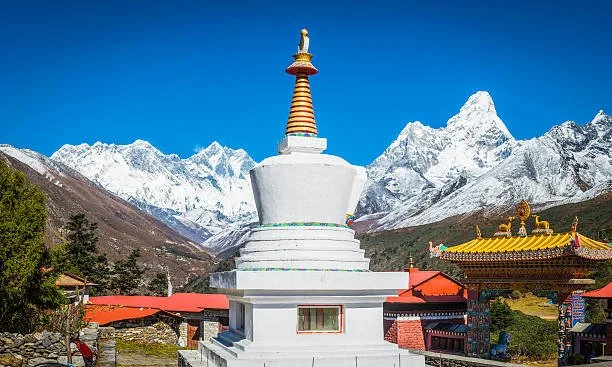
Tengboche Monastery
Time to Talk Trekking
Have you ever had a strong hankering to trek in Nepal but found yourself constantly talking yourself out of it for various reasons? Here is a completely genuine (no AI was harmed in writing this blog!) list of the most common questions I get asked about the journey to Everest Base Camp, along with a few important facts.
A Premium, Fully Supported Journey
This is absolutely not a "trip-a-deal" or a random lucky dip experience. You will be completely taken care of from the exact moment you land in Kathmandu until the time you depart for your flight home. Additionally, the very same staff members you meet upon arrival in Kathmandu will be guiding you every step of the way on your trek. Throughout the trip, we lodge at the finest available accommodations. These welcoming places are owned and run by local families who truly feel like family to us.
Trekking in Winter: What to Expect
If you know me personally, you know that I absolutely hate being cold! Yet, December remains my absolute favorite time to trek. The skies are beautifully blue, and the initial days are warm enough that you can trek in shorts and a short or long-sleeved t-shirt if you wish (though my personal preference is lightweight long pants). Naturally, as we ascend above 4,000 meters, it certainly will get colder, and we adjust by layering up. While the lodge bedrooms are unheated, the communal dining rooms are nicely heated, and your supplied expedition-rated sleeping bag combined with a hot water bottle will keep you perfectly toasty.
Respecting Mountain Weather
Broadly speaking, the mountains dictate the weather, and we treat them with total respect. Snow falls more frequently during the monsoon season, whereas December and January are traditionally dry, clear, and cold once you get above 4,000 meters. That being said, snow can fall in the mountains at any point during the year (even in places like Tasmania!). Our itinerary is intentionally built to work dynamically with the weather. We maintain comprehensive contingency plans, including options A, B, C, and D, to guarantee that we are never placed in extreme or potentially hazardous conditions.
Honest Fitness Requirements
How fit do you really need to be? Above all, you must genuinely enjoy walking, whether that means walking around your neighborhood or to the local shops. For several weeks leading up to departure, you should work your way up to completing 10km walks on hilly terrain every week. To support you, joining one of my treks includes a full 12-week training program that you can easily follow from anywhere in the world. If you happen to be based in Brisbane, you are welcome to join our weekly Sunday morning walks at Mt Coot-tha. These outings offer a perfect opportunity to ask any gear questions, get to know your fellow trekkers, and, most importantly, catch up over tea, coffee, and a chat afterward. While these sessions are completely optional, they are highly popular!
Gear, Clothing, and Expenses
Will purchasing specialized equipment and clothing break the bank? You definitely will need a high-quality, well-broken-in pair of trekking boots (not shoes) that offer good ankle support. To help, we provide an expedition-rated sleeping bag, trekking poles, and a robust kit bag for your belongings, which will be carried for you. Essential items such as hardshell jackets, down jackets, day packs, and pants can frequently be borrowed, bought during sales, or purchased very affordably right in Kathmandu (the city itself, not the brand storefront!). While clothing choices remain personal, you will receive an updated, comprehensive gear list to ensure you are fully prepared without feeling weighed down.
Managing Altitude and Staying Safe
Altitude sickness is a frequent topic of conversation. If you spend most of your year living at sea level, you will undoubtedly feel the effects of the altitude. This makes it vital to allocate plenty of time both before and during your trek for your body to adjust. Your acclimatization begins in Kathmandu, which is situated at 1,325m above sea level. Our schedule features 3 full nights there before the trek even begins, during which we do plenty of walking around our neighborhood, exploring historic sites, and navigating stairs. To adjust successfully, you must consume roughly 3 liters of fluids each day, a requirement that rises to around 5 liters daily once you are above 4,500m. Eligible fluids include water, tea, soups, soft drinks (a lunch Sprite is genuinely fantastic), and particularly hot lemon, ginger, and honey (if you know, you know!). Once you are past 3,500m, carefully regulating the distance you cover each day is the single most critical factor for staying healthy and happy. When individuals assume this guideline doesn't apply to them, they tend to get sick; trust me, it applies to everyone. Amazingly, the proportion of people unable to finish one of my treks is <5%. We ensure our trekkers are thoroughly educated on thriving above 3,500m and the impacts of altitude through team briefings held before the trek departs and on the evening before we cross that 3,500m threshold. Armed with this education, you can confidently identify and manage any symptoms should they arise.
Next Steps and Final Details
Once you determine that this adventure is the perfect fit for you and submit your deposit (USD$700 will secure your spot), you will receive a detailed Information Pack, guidance on the best flight arrangements to and from Kathmandu, and regular email updates.
Final thought…
If you have any remaining questions or would love to connect, you can easily reach out to me at heather.kinang@gmail.com or info@theyogacooperative.com.
I am always happy to hear from people who are genuinely interested. Thank you so much for reading, and Namaste!